旅客运输手机、电脑、摄像机等个人自用的含锂电池设备及备用电池应符合联合国《试验和标准手册》第III部分第38.3小节规定的每项试验的要求。旅客运输锂电池及含锂电池设备时,应注意以下事项:
一、乘机前请确认锂电池上标注的规格。锂电池规格以额定能量(Wh)计算。没有标明额定能量的锂电池请按下面公式换算:
额定能量(Wh)= 电池容量(Ah)× 标称电压(V)
(1000mAh=1Ah)
不能确定额定能量的锂电池禁止运输。

二、电池
(一)备用电池 :包括锂电池、密封型湿电池、镍氢电池、干电池等各类电池。请注意满足以下要求:
1、备用电池只允许放入手提行李中;
2、备用电池每人携带数量不得超过20块;
3、备用锂金属电池,锂金属含量≤2g;
4、备用的锂离子电池,额定能量≤100wh。
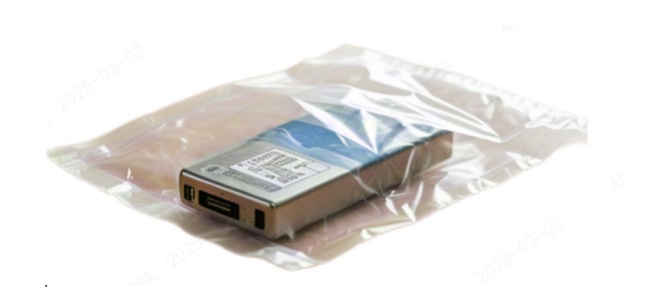
5、备用锂电池应单独保护,防止短路(例如装在塑料袋、原装零售包装、保护盒内,或将暴露的电极用胶布粘住)。
(二)如果超出以上限制,请按以下要求运输:
1、锂金属电池(2g<锂金属含量≤8g)
①放在手提行李中,每人携带不超过2块;
②需在值机柜台申报,经检查、批准后方能携带;
③仅限便携式医疗电子设备。
2、锂离子电池(100wh<额定能量≤160wh)
①放在手提行李中,每人携带不超过2块;
②需在值机柜台申报,经检查、批准后方能携带;
三、移动电源(充电宝)
移动电源(充电宝)是指主要功能是给手机等便携式电子设备提供外部移动电源的小型锂电池充电式设备,例如磁吸式充电宝、无线耳机充电舱等。移动电源(充电宝)应符合备用电池运输要求,此外还应满足以下要求:
1、禁止在飞机上使用移动电源(充电宝)给设备充电;
2、禁止在飞机上给移动电源(充电宝)充电;
3、有启动开关的移动电源(充电宝),请全程关闭。

四、锂电池驱动的便携式电子设备(也称为PED)
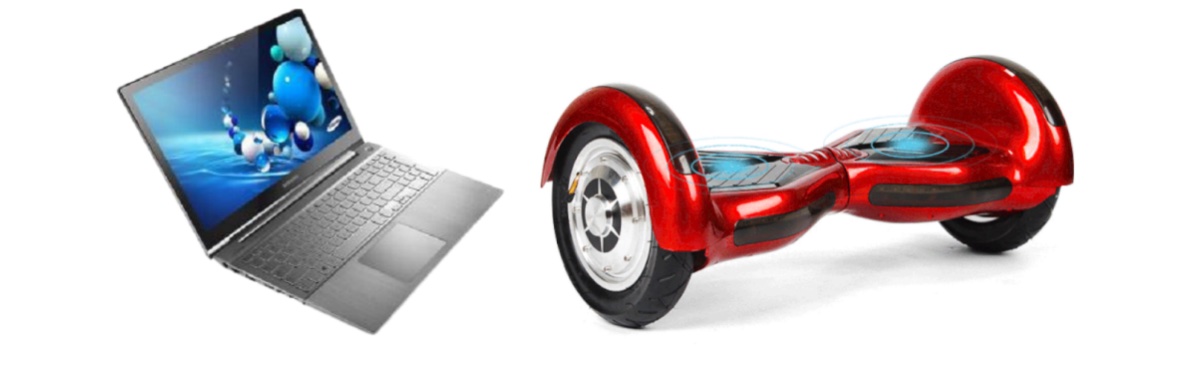
(一)锂电池驱动的便携式电子设备(PED)指需要锂电池芯或锂电池提供电能方可运行的装置,包括照相机、手机、笔记本电脑、摄像机以及便携式医疗设备。此类设备可以作为手提行李携带登机,也可作为托运行李托运。
(二)PED含有锂金属电池的锂金属含量不得超过2g,锂离子电池的额定能量不得超过100Wh。作为托运行李托运时,设备必须完全关闭(禁止使用睡眠/休眠模式),除非设备仅包含锂电池,且锂金属电池锂含量不超过 0.3g; 或锂离子电池的额定能量不超过 2.7Wh。每名旅客运输的此类PED 不得超过15 个。
(三)含有锂金属含量超过2g但不超过8g锂金属电池的便携式医疗装置、以及含有超过100Wh但不超过160Wh锂离子电池的电子设备,需在值机柜台申报,经检查、批准后方能运输。
(四)电子香烟、电动平衡车不得托运,应采取防止意外启动措施,符合手提行李要求的,只能在手提行李中携带,且不得在飞机上使用或为其充电。
五、锂电池驱动的轮椅或助行器:
由于残疾、健康、年龄或临时行动问题(如腿部骨折)而活动受限的旅客使用的装有锂离子电池的轮椅或助行器应符合以下要求:
(一)轮椅或助行器设计能够提供足够的防止电池损坏的保护并且电池牢固地固定到轮椅或助行器上,按照制造商的说明书断开电路。如无法做到,应根据制造商的说明将电池从轮椅或助行器上卸下,卸下的每个电池不得超过300wh。电池安装在轮椅或助行器上时,额定能量没有限制。
(二)每位旅客最多可以携带一个不超过300Wh或两个不超过160Wh的备用电池。
(三)从轮椅或助行器中卸下的电池和其他备用电池必须在客舱内运输。卸下或备用电池必须做防止损坏的保护(例如将每个电池装入保护袋中)。
六、安装了锂电池的行李箱(如智能行李箱)
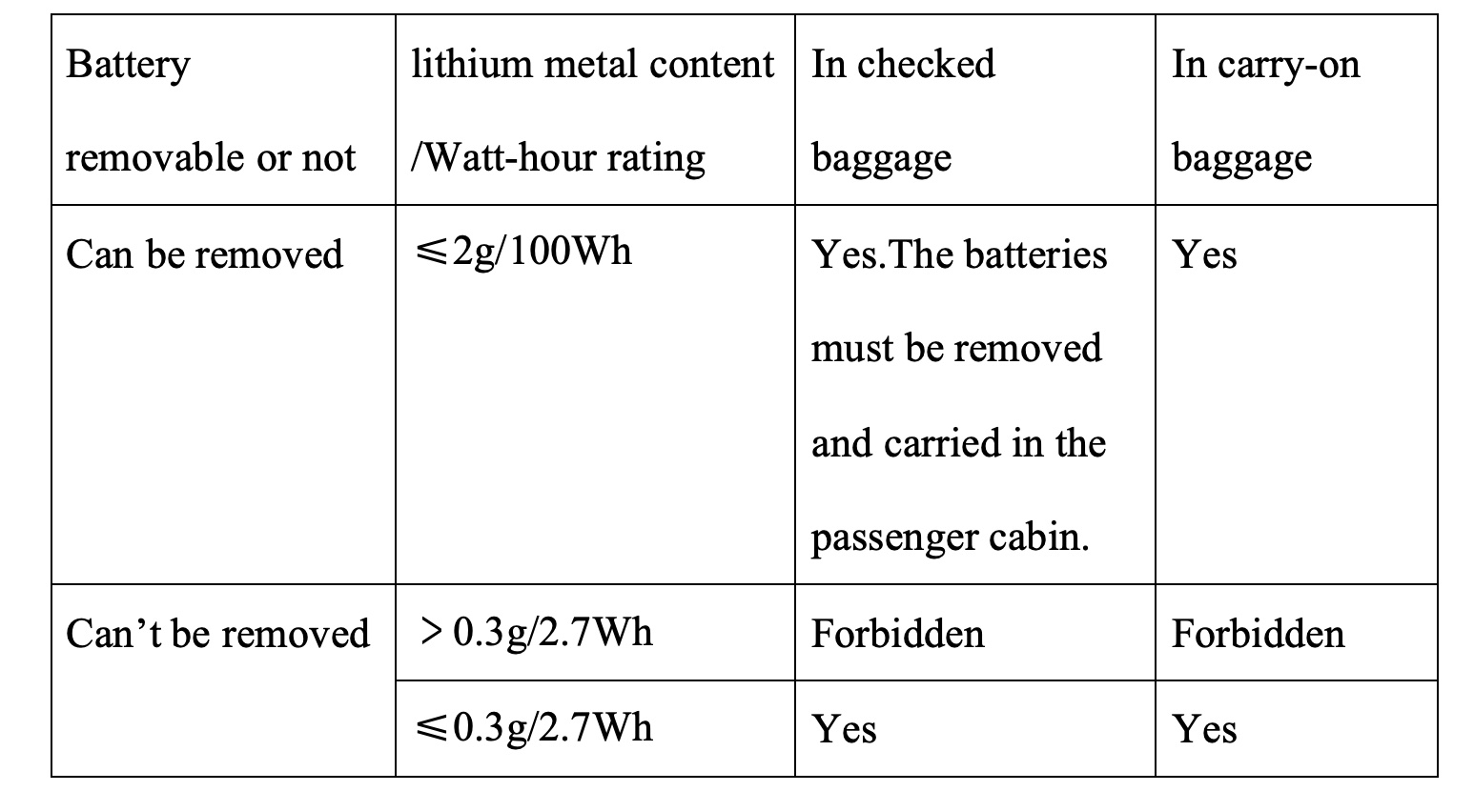
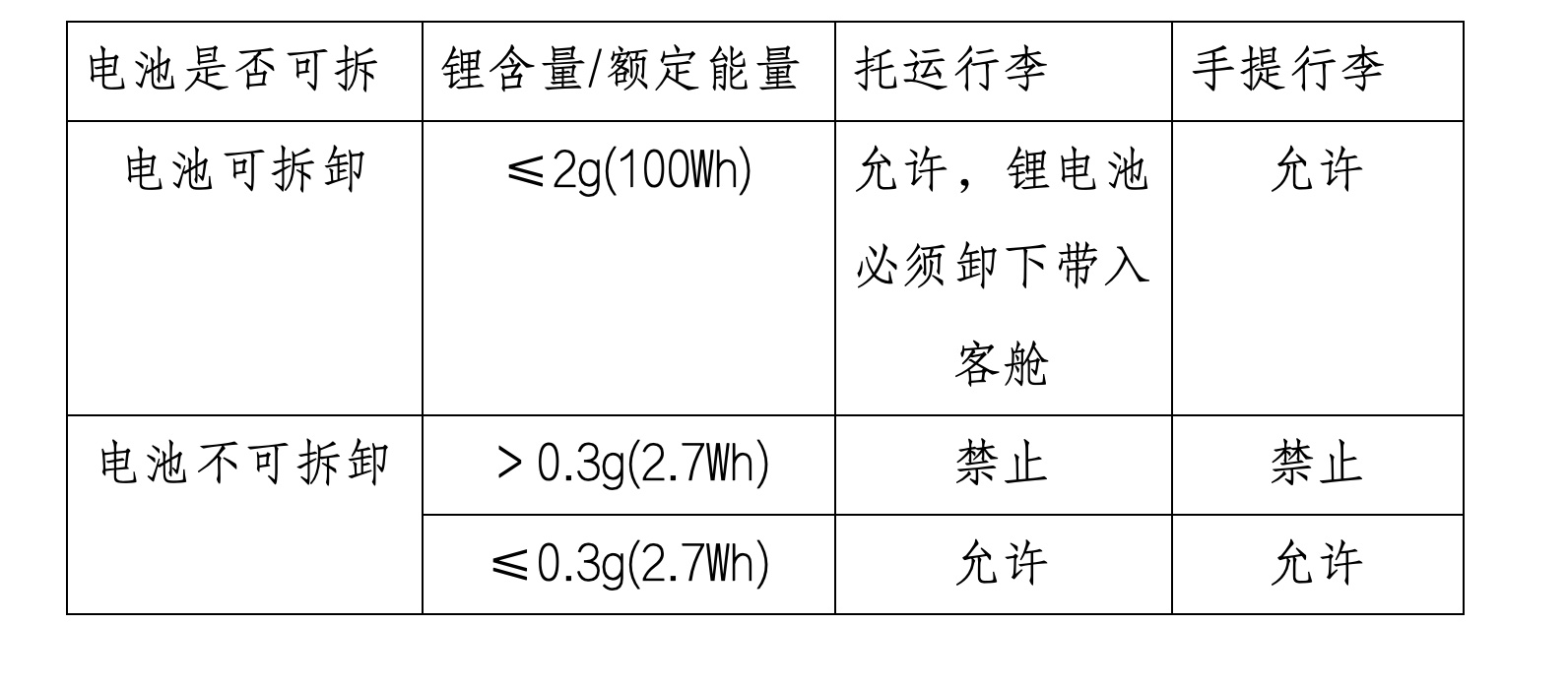
(一)当行李箱上的锂电池可以拆卸时:锂金属电池的锂含量不超过2g,或锂离子电池的额定能量不超过100Wh时,可以将行李箱作为手提行李运输;或作为托运行李,托运时锂电池必须卸下带入客舱。
(二)当行李箱上的锂电池不可以拆卸时:锂金属电池的锂含量不超过0.3g,或锂离子电池的额定能量不超过2.7Wh时,可以将行李箱作为手提或托运行李,托运时,可不关机。超过以上限制时禁止运输。
Requirements on Carriage of Lithium Batteries
When passengers carrying portable electronic device (PED)such as cell phones, computers or cameras containing lithium batteries or spare batteries for personal use, the batteries must be of a type which meets the requirements of each test in the UN Manual of Tests and Criteria,Part Ill,subsection 38.3.
1、Please confirm the specifications on the lithium battery before boarding. Lithium battery specification is rated by Watt-hour rating. For lithium batteries that do not marked with Watt-hour rating, you can also arrive at the number of Watt-hours provides if you know the battery’s nominal voltage (V) and capacity in ampere-hours (Ah): :
Ah x V = Wh (1000mAh=1Ah)
Lithium batteries that are not marked or calculated for Watt-hour ratings are forbidden for carriage.
2. Batteries
(1) Spare batteries: including lithium batteries, non-spillable batteries, nickel-metal hydride batteries and dry batteries. Please note that the following requirements shall be met:
Spare batteries can be carried only in carry-on baggage;
Each person is limited to a maximum of 20 spare batteries;
For lithium metal batteries the lithium metal content must not exceed 2 g;
For lithium ion batteries the Watt-hour rating must not exceed 100 Wh.
Spare lithium batteries must be individually protected to prevent short circuits (eg. By placing each battery in plastic bag, original retail packaging, protective cases, or covering exposed electrodes with adhesive tape).
(2) If the above restrictions are exceeded, please carry as following:
①For lithium metal batteries , lithium metal content exceeding 2g but not exceeding 8g:
Maximum of two spare batteries in carry-on baggage only;
Be declared at the check-in counter and can only be carried after inspection and approval;
Only for portable medical electronic devices.
②For lithium ion batteries Wh rating exceeding 100 Wh but not exceeding 160 Wh:
Maximum of two spare batteries in carry-on baggage only;
Be declared at the check-in counter and can only be carried after inspection and approval;
3.Power bank (portable charger)
These are portable devices designed to be able to charge consumer devices , such as magnetic power bank, wireless headset charging compartment. Power banks are considered spare batteries. Please carry as following:
It is forbidden to use power bank to charge the PED on the plane;
It is forbidden to charge the power bank on the plane;
Power bank shall be turned off during flight.
4、Portable electronic devices (PED)
(1) Portable electronic devices means the equipment or apparatus for which the batteries provide electrical power for its operation. PED may include cameras, mobile phones, laptops, video cameras, medical devices. PED can be carried as carry-on baggage or checked baggage.
(2) For PED containing lithium batteries, lithium metal content that not exceed 2g , and lithium ion batteries with Watt-hour rating not exceed 100 Wh, if devices are carried in checked baggage, the device must be completely switched off (not in sleep or hibernation mode), unless the devices contain only lithium batteries and for lithium metal batteries not exceed 0.3g, for lithium ion batteries not exceed 2.7 Wh.
Each person is limited to a maximum of 15 PED.
(3) Portable medical electronic devices with lithium metal content exceeding 2g but not exceeding 8g and PED with lithium ion batteries of Wh rating exceeding 100 Wh but not exceeding 160 Wh, needed to be declared at the check-in counter and can only be carried after inspection and approval.
(4) E-cigarettes and electric hover board are not allowed to be carried as checked baggage. These devices can be carried as carry-on baggage after take actions to prevent accidental activation and comply with the requirements of carry-on baggage. These devices cannot be used or charged on the plane.
5、Battery-powered wheelchairs or mobility aids
Battery-powered wheelchairs or mobility aids for use by passengers whose mobility is restricted by either a disability, their health or age, or a temporary mobility problem :
(1) Battery(batteries) is either:
adequately protected against damage by the design and securely attached to the wheelchairs or mobility aids, the electrical circuits must be isolated following the manufacturer’s instructions;or
removed from the wheelchair or mobility aids following the manufacturer’s instructions. Each battery removed must not exceed 300Wh. There is no limit to the Wh rating of battery when the battery is installed on wheelchairs or mobility aids.
(2) a passenger may carry a maximum of one spare lithium ion battery not exceed 300 Wh or two spare batteries each not exceeding 160 Wh.
(3) batteries removed from the wheelchairs or mobility aids and any spare batteries must be carried in the passenger cabin. The removed or spare batteries must be protected from damage (e.g. by placing each battery in a protective pouch )
6、Baggage with installed lithium batteries (such as “smart luggage”)
(1) If batteries can be removed:
If lithium metal content not exceeds 2g , and lithium ion batteries with Watt-hour rating not exceed 100 Wh, baggage can be carried in checked baggage or carry-on baggage. When in checked baggage, the batteries must be removed and carried in the passenger cabin.
(2) If batteries can not be removed:
For baggage with lithium metal batteries not exceeding 0.3g, or lithium ion batteries not exceeding 2.7 Wh, the baggage can be carried in checked baggage or carry-on baggage. When in checked baggage, completely switched off is not required. It is forbidden for transport, when exceeds the above limit.